
Disability and accident insurance for extreme sports
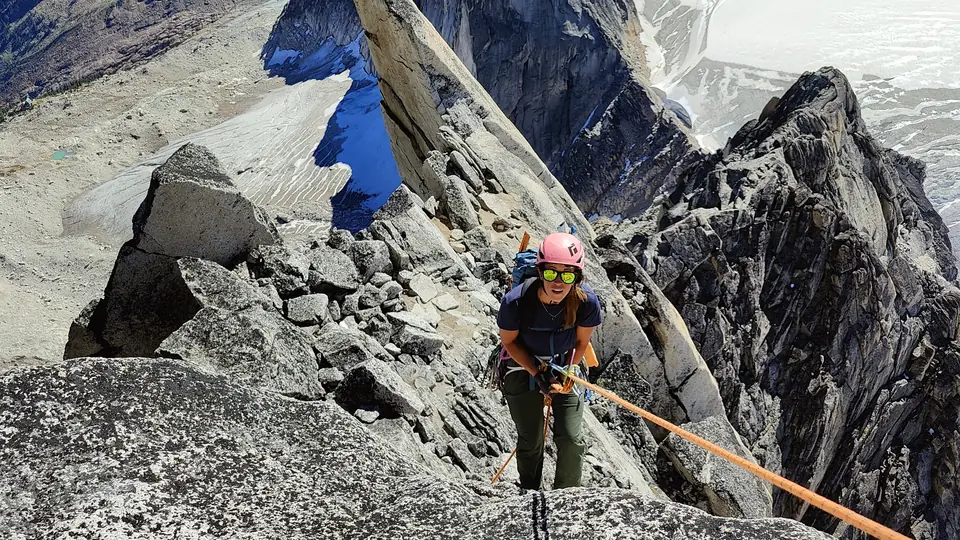
- Life insurance pays your beneficiary if you die. Accident insurance pays you if you're injured, which is the more common outcome in most mountain sports.
- Standard disability insurance often excludes or limits mountain sports, which is why a specific accident plan matters for climbers, skiers and similar athletes.
- Affinity offers an accident insurance plan that doesn't exclude mountain sports, covering things like fractures, hospitalization and short-term disability from an accident.
The short answer
Most climbing, skiing and mountain-sport accidents don't end in death, they end in a fracture, a hospital stay, or weeks off work. Life insurance doesn't help with that. A dedicated accident insurance plan can, paying a benefit for injuries like fractures or hospitalization and a short-term disability benefit if you can't work, without excluding the sports you actually do.
Why this is different from life insurance
Life insurance is built around one event: your death. It pays your named beneficiary a lump sum. Accident insurance is built around the much more common outcome in outdoor sports: you get hurt and survive. It can pay you directly for things like:
- A period of total disability following an accident, if you can't work or can't manage daily activities
- A lump sum for specific injuries, such as a bone fracture or dismemberment
- A daily benefit for hospitalization
- Reimbursement for accident-related medical costs not covered elsewhere
Why standard disability coverage often falls short
If you have disability insurance through work or a personal policy, check what it says about your sport. Many standard plans either exclude claims connected to higher-risk activities (climbing, backcountry skiing, paragliding and similar) or apply the same kind of rating and exclusion logic that fully underwritten life insurance does. That gap is exactly what leaves outdoor athletes exposed: coverage that looks fine on paper until the claim is tied to the sport you actually spend your weekends doing.
What Affinity's accident plan covers
We offer an accident insurance plan that doesn't exclude mountain sports. In broad terms, it's built around a handful of coverage types you can mix and match:
| Coverage type | What it's for |
|---|---|
| Disability due to accident | A benefit if an accident leaves you unable to work or manage daily activities |
| Accidental death, dismemberment or loss of use | A lump sum tied to the severity of the injury |
| Accidental fracture | A lump sum for a broken bone |
| Extended medical care | Reimbursement for accident-related medical costs |
| Hospital benefit | A daily benefit for time spent in hospital |
Exact benefit amounts, unit pricing and age limits depend on the plan and your coverage selections, so we won't guess at numbers here. Book a call and we'll walk you through what a plan looks like for your sport and budget.
Who this is for
This kind of coverage tends to matter most for people who are out often (climbing, skiing, mountain biking, trail running) and either don't have disability coverage through work, or know their existing coverage excludes their sport. If you're self-employed or a contractor without any employer disability benefit, it's worth a closer look, since an injury that keeps you off work for a few months can be a real financial hit even without a serious long-term injury.
How it works alongside life insurance
Life insurance and accident insurance solve different problems, and most serious mountain athletes end up wanting both rather than choosing between them. A typical setup for someone with a mortgage and a family might combine a simplified-issue life insurance plan (or a stack of them) with an accident plan sized to a few months of expenses, so that both the rare worst case and the far more likely injury scenario are covered. Neither product is a substitute for the other, and neither is meant to replace a proper emergency fund either, an accident plan pays defined benefits for specific events, not open-ended income replacement.
What it doesn't cover
It's worth being clear about the limits too. Accident plans like this typically pay out for the specific events listed in the contract (a fracture, hospitalization, a period of accident-related disability), not for illness, and not for ongoing conditions unrelated to a specific accident. They're also not a substitute for provincial health coverage, they pay benefits to you directly rather than covering medical bills the way a health plan does. Read the actual contract for a plan before you rely on it for a specific scenario, since fine print (like what counts as "total disability", or how convalescence days are calculated) varies and matters.
What to do next
If you don't know whether your current disability coverage excludes your sport, that's worth confirming first. Then book a call to see whether an accident plan that doesn't exclude mountain sports makes sense alongside your life insurance for climbers.
FAQ
Is accident insurance the same as life insurance?
No. Life insurance pays a death benefit. Accident insurance pays you (or reimburses expenses) for injuries you survive, such as a fracture, hospitalization, or a period you can't work.
Does regular disability insurance cover a climbing or skiing accident?
It depends on the insurer and the policy. Many standard disability plans limit or exclude claims tied to higher-risk sports, so it's worth checking before you assume you're covered.
Do I need both life insurance and accident insurance?
Most people who spend a lot of time in the mountains carry both. Life insurance protects your family if the worst happens. Accident insurance protects your finances for the much more likely outcome, an injury you recover from.
Philip Setter has been a licensed life insurance advisor since 2014 and founded Affinity Life in 2020. He's a climber, ice climber and ski tourer based in Calgary.