
Extreme sports life insurance in Canada, explained

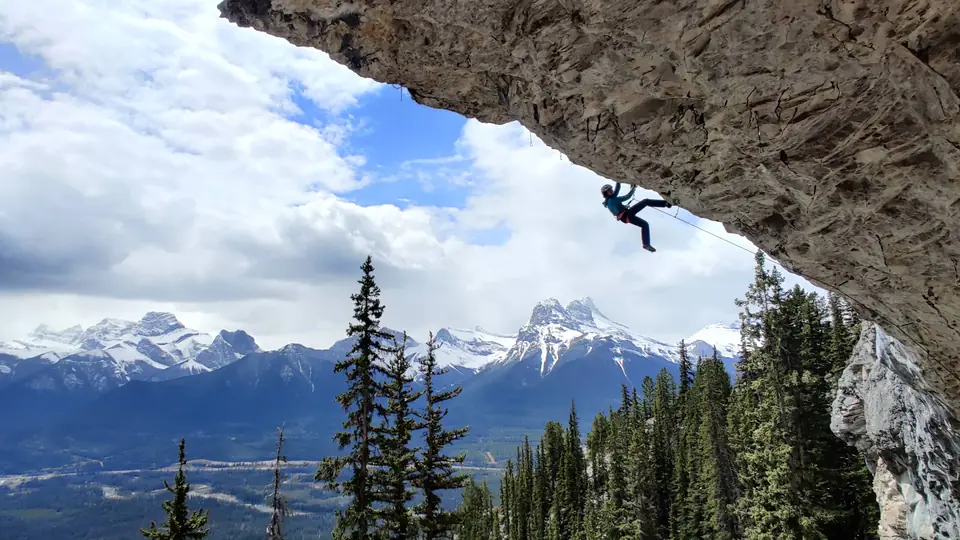
- Insurers have a broader definition of "extreme sports" than most participants do, and it usually includes climbing, backcountry skiing, paragliding and heli-skiing.
- A fully underwritten policy can come back with a standard rate, a flat-extra surcharge, a sport exclusion, or a decline, depending on how you participate.
- Simplified-issue plans that don't ask about these sports let many outdoor athletes get covered without an exclusion, usually up to $500,000 per insurer.
The short answer
Insurance companies classify a specific list of activities as "extreme sports", and it's broader than most participants expect. It typically includes technical climbing, backcountry and heli-skiing, paragliding, scuba diving beyond recreational depths, private aviation, and motorsport racing. If you do any of these regularly, a fully underwritten life insurance application will usually come back one of four ways: standard pricing, a surcharge, an exclusion for that activity, or a decline. Simplified-issue policies, which don't ask about these sports, are how most of our clients get around this.
What counts as an extreme sport
The exact list varies by insurer, but activities that commonly get flagged on a life insurance application include:
- Rock climbing, ice climbing and mountaineering
- Backcountry skiing, ski touring and heli-skiing
- Paragliding and hang gliding
- Scuba diving beyond recreational limits
- Private aviation (flying, not as a passenger)
- Car or motorcycle racing
Casual, low-risk versions of some of these (say, resort skiing, or gym-only bouldering) are usually treated differently from the outdoor, technical or remote version of the same sport. What matters to an insurer is frequency, difficulty, altitude, whether you're solo or guided, and how long you've been doing it.
What happens when you disclose it
On a fully underwritten application, expect a questionnaire about your specific activity. Based on your answers, the insurer typically offers one of:
| Outcome | What it means |
|---|---|
| Standard | Covered at normal rates, common for casual or low-risk participation |
| Flat-extra rating | Covered, with an added charge on top of the base premium |
| Exclusion | Covered, except if you die doing that specific activity |
| Decline | No offer, most common for high-altitude, solo, or frequent extreme participation |
A rating or an exclusion can both be disappointing outcomes. A rating can be expensive (sometimes an added few thousand dollars a year on $1 million of coverage), and an exclusion means the policy won't pay for the exact scenario you were worried about in the first place.
Why simplified-issue plans work differently
Simplified-issue life insurance skips the medical exam and asks a shorter set of health questions instead of a full activity questionnaire. Several Canadian insurers offer simplified-issue plans that don't ask about, exclude, or surcharge mountain and outdoor sports. We work with four of them (UV Insurance, iA Access Life, CPP, and Humania), each capping coverage at roughly $500,000. Combining plans from more than one of these insurers is how many climbers, skiers and paragliders reach $1 million or more in coverage without an exclusion. We cover how that combination works in more detail in our stacking guide.
Honesty still matters
Whichever route you take, answer every question truthfully. Canadian insurers can generally contest a policy within its first 2 years for a misstatement on the application. After that, a policy is generally only contestable for fraud. Leaving out your climbing, skiing or flying to get a lower rate is the single fastest way to put your family's payout at risk.
Should you apply for standard insurance first
If you're a casual or lower-risk participant (occasional resort skiing, gym-only climbing, recreational scuba within normal limits), it's usually worth trying for a fully underwritten policy first, since the pricing is typically better if you qualify at standard rates. If you're a more serious or frequent participant, especially in climbing, backcountry skiing, or paragliding, the outcome is harder to predict in advance, and a surcharge or exclusion is a real possibility. In that case, it's often more efficient to secure a simplified-issue plan first, so you know you're covered, and then explore whether a fully underwritten policy could add to it at a reasonable rate.
A real-world pattern we see often
We regularly see applicants who climb or ski seriously assume they'll be declined and skip applying for real coverage altogether, or assume they'll be treated the same as a casual participant and get an unpleasant surprise with a rating months into the process. Neither assumption is safe on its own. The only way to know your actual terms is to apply, and knowing the simplified-issue route exists as a fallback means you're never stuck without an option.
What to do next
If you're a casual participant in one of these sports, it's worth applying for a standard, fully underwritten policy first, since the price is usually lower if you qualify. If you climb, ski or fly more seriously, check your options for climbers or book a call and we'll help you figure out which route fits.
FAQ
What activities do insurers usually treat as extreme sports?
Common ones include mountaineering, ice climbing, rock climbing, backcountry skiing, heli-skiing, paragliding, hang gliding, scuba diving, and private aviation. Each insurer's list differs slightly.
Will I pay more just for being a climber or skier?
Not automatically. It depends on how often you do it, how technical, how remote, and whether you go solo. Many casual or gym-based participants get standard rates.
Does declaring my sport increase my risk of being declined?
It affects the price and terms you're offered, but not disclosing it is worse: it can put your claim at risk. Always answer the questionnaire honestly.
Philip Setter has been a licensed life insurance advisor since 2014 and founded Affinity Life in 2020. He's a climber, ice climber and ski tourer based in Calgary.